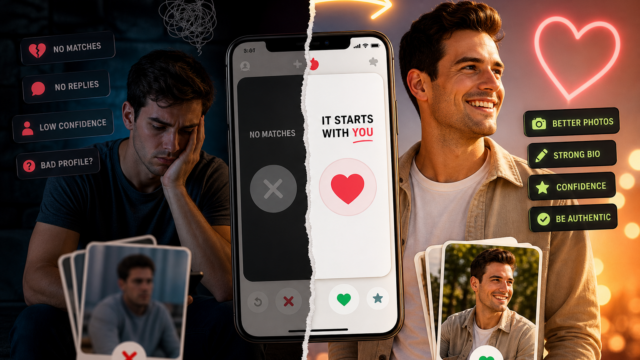
You open a dating app one more time, but that spark you used to feel just isn’t there. Profiles blur past—right, left, right—one awkward message after another, some just getting a quick copy-paste reply.
Notifications keep popping up, but instead of excitement, they feel like chores piling up at the end of a long week. What was once a fun way to meet new people now feels as draining as catching up on overdue work emails.
If this sounds like your experience, you’re definitely not alone. Emotional burnout from dating apps is much more common than most people admit.
At some point, the urge to toss your phone in a drawer can feel just as strong as the hope of meeting someone great. While this kind of burnout seems almost like a rite of passage for online daters, the good news is you can take a healthy break—without giving up on finding real connection.
Why Dating Apps Drain Us So Quickly
That first match. The rush of a new conversation.
The fun of meeting someone interesting with just a few taps. In the beginning, dating apps feel fresh and full of possibility.
But it doesn’t take long for the novelty to fade. Each chat needs a clever opener and a positive tone, yet you never really know if the person on the other end is serious.
What started as entertainment quickly turns into a marathon of constant decisions.
About 78% of users say they’ve felt drained or burned out by dating apps at least once. So if you’re exhausted, you’re actually in the majority. The problem isn’t just the sheer number of interactions, but the endless cycle: swiping through dozens of profiles, making choice after choice, waiting for replies that often never come.
That process is called decision fatigue. Every little choice—like, pass, reply, ignore—uses up mental energy.
Eventually, your brain goes on autopilot. The initial curiosity fades, and the app becomes just another part of your daily grind.
There’s another side to it. All those mini rejections and dead-end chats do add up.
If you’ve ever watched a string of matches fizzle out or had conversations end after a single “Hey,” your confidence can take a hit. Instead of expanding your social world, the app can start to feel like another source of stress.
From my own experience, I’ve gotten stuck in the “just one more swipe” loop plenty of times. I’d find myself scrolling through profiles late at night, hoping for a tiny burst of interest—even when I knew I didn’t want to start a real conversation.
The problem isn’t a lack of desire to meet people. It’s that over time, it gets harder to tell whether you’re genuinely interested or just going through the motions.
How to Spot Burnout Before It Hits Hard
Most people only realize they’re burned out once they’re already deep in it. One reliable clue is tracking your time: the average user now spends over 10 hours a week on dating apps. With multiple apps and endless conversations, it’s easy to lose sight of how much energy it takes.
Nearly half of online daters say their experience with apps is negative, according to recent studies, and frustration tops the list of complaints. If you open a dating app mostly out of habit—and already expect little to come of it—or if you reply just to avoid ghosting someone, that’s a strong sign it’s become work, not fun.
Another obvious signal is when you “ghost” people even though you hate doing it. Sometimes, chats get left on read simply because you’re too worn out to keep up. You might feel bad, but the energy to pick it back up just isn’t there.
Dica importante: If just opening the app makes you feel tense or irritable, that’s more than a passing mood. It’s your mind and body asking for a break, and respecting that feeling is important for your health.
Burnout doesn’t just mess with your mood. You might notice you’re tired more often, have trouble sleeping, get headaches, or feel more alone. If the idea of talking to someone new feels more stressful than exciting, it’s probably time to rethink how and why you’re using these apps.
How to Take a Break That Really Recharges You
Taking a break from dating apps isn’t the same as giving up on your love life. In fact, it’s often the best way to recharge and get back to what really matters to you. A real break takes a little planning, but it’s worth it.
Start by hiding or temporarily deleting your profile. Most apps let you disappear from searches without erasing your account or matches. You can also delete the app from your phone and keep your chats and connections for when you’re ready to return.
Next, set a personal “return rule.” Write down a clear reason for when you’ll come back to the apps. It could be, “I’ll return when I actually want to chat—not just because I’m bored or lonely.” Seeing this in writing helps you avoid jumping back in out of habit.
Then, focus on offline life. Say yes to invitations, go to events, or try group hobbies.
Dating apps are just one way to meet people, not the only way. Even a short conversation in a coffee shop line can feel lighter and more real than another silent match.
Before you reinstall the app, check in with yourself. Ask, “Do I really want to come back, or am I just filling time?” If it’s the latter, give yourself a little longer. The point is to return with fresh energy, not out of old patterns.
Making Your App Break Stick
To make your break really work, choose a specific time frame—experts suggest anywhere from 2 to 6 weeks. That’s long enough to reset without losing touch. Put it on your calendar and treat this pause like any important appointment.
Worried about losing people you’re already talking to? Some apps offer a “Pause” or “Sleep” mode, so you can stop getting new matches but keep old chats open. You don’t have to disappear completely.
Deleting the app from your phone is another great step. This usually doesn’t erase your profile or chats.
When you’re ready, reinstall and you’ll find everything as you left it. Removing the app cuts down the urge to check notifications every few minutes.
If you have ongoing conversations, let your matches know before you take a break. A quick message like, “I’m taking a break from the apps, but happy to keep chatting here or switch to WhatsApp,” shows respect and avoids confusion. It also reveals who’s truly interested in staying in touch.
Resumo rápido: Pick a 2–6 week window, use pause features if your app has them, tell your ongoing matches what’s up, and know that deleting the app won’t erase your profile. The key is treating the break as a promise to yourself, not as punishment.
If you get tempted to come back early, look at your return rule again. That urge is often just habit, not real interest. Sticking to your original plan helps you build a healthier, more balanced relationship with dating apps in the long run.
Small Changes That Make Dating Feel Lighter
After a break, it’s easy to fall back into the same routines. A few small tweaks can make a big difference. Try limiting your app use to thirty minutes a day—enough to connect without feeling overwhelmed.
Keeping fewer conversations at once also helps. Instead of juggling ten chats, focus on two or three that actually interest you. You’ll have better, more relaxed conversations, and you’ll notice your connections are stronger when you’re not spread so thin.
Naming your dating app fatigue is a big step. Telling yourself, “I’m burned out on dating apps right now,” turns invisible frustration into something you can manage. Once you can name it, you can choose what to do about it.
Personally, I’ve found the best moments happen when I see dating as a choice, not an obligation. These days, I check in with myself each week: if the apps start to feel heavy, I pull back—less time, or maybe only on specific days. That regular check-in keeps things more enjoyable.
Ready to Come Back—or Try Something New?
After a break, how you return is up to you. Ask yourself what you want now.
Are you looking for deeper chats, or does the idea of meeting people offline sound better? Sometimes a step back shows you there are other ways to connect that might fit your life better right now.
Many people return to dating apps with less pressure and more curiosity. Others decide their energy is better spent meeting people face-to-face. There’s no rule: how you use dating apps can shift as your priorities change.
Have you ever taken a break from dating apps? What was that experience like?
Did it change the way you look at dating, or help you figure out what you really want? And if you’re thinking about a digital detox but haven’t tried it yet, what’s making you hesitate?
Disclaimer: This article shares practical ideas for handling dating app burnout. It isn’t meant to replace professional mental health care if you need more support.