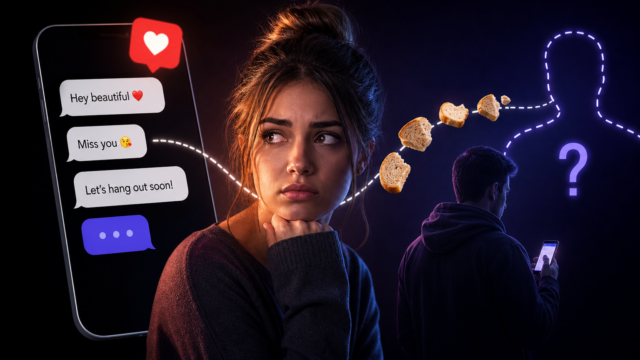
You’re sitting there, phone in hand, scrolling through old texts, trying to pinpoint when everything changed. Just days ago, it all felt so simple—you were laughing, flirting, maybe even setting up your next date.
Now, silence. No messages, no explanation, not even a halfhearted excuse.
That sudden vanishing act—ghosting—stings, especially when you honestly thought things were going well. The confusion and embarrassment can make you second-guess yourself, replaying every moment for clues.
If you’re here, chances are you’re searching for answers and a path forward after being ghosted when you least expected it.
Ghosting Is Way More Common Than You Think
When you get ghosted, it’s easy to wonder if you missed some obvious sign or if you’re the only one this happens to. But ghosting is everywhere in dating now.
You’re far from alone. Surveys suggest about 25% of people have been ghosted by a date or a friend.
Among younger adults, most admit they’ve both been ghosted and ghosted someone else at least once.
That doesn’t erase how much it hurts, but it does show this isn’t some rare personal disaster. Dating apps and endless options make it simple for people to vanish instead of facing an awkward conversation.
Ghosting can happen after just one date, or after you’ve been seeing someone for weeks. Anyone can get blindsided, no matter how promising things seemed.
When I got ghosted by someone I was genuinely interested in last year, I hesitated to tell anyone at first. But once I brought it up, almost every friend had their own story.
The fact that ghosting is so common doesn’t soften the blow, but it can help you realize it’s not a sign you’re uniquely flawed or unlucky. It’s just one of the messier realities of dating right now.
Why Ghosting Hurts So Much—and What’s Actually Happening
The worst part about being ghosted isn’t just the silence. It’s the total lack of closure.
Unlike a breakup, you get no explanation—just a lot of unanswered questions. Your mind craves a reason, so when someone disappears with no warning, it’s normal to get stuck analyzing every detail.
A lot of people blame themselves, wondering what they could’ve done differently. But most of the time, ghosting is about the other person’s discomfort with confrontation, not about something you did wrong.
Some honestly believe dodging an awkward talk is less cruel than being direct. But that avoidance leaves the other person with all the confusion and none of the answers.
The result is a weird, drawn-out rejection that’s hard to shake. Your brain keeps looking for a conclusion that just isn’t coming.
Dica importante: In most cases, ghosting happens because the other person doesn’t know how to handle discomfort—not because you’re lacking in any way. Reminding yourself of this can help redirect your focus from self-doubt to a little more self-kindness.
When someone ghosts you after things seemed genuinely good, the confusion cuts deeper. You might replay your last date, searching for any hint of what went wrong. Usually, though, it’s about their avoidance or uncertainty—not your actions.
Ambiguous Loss: Why Ghosting Lingers
Psychologists call the pain of ghosting “ambiguous loss.” It’s what happens when something ends without a real goodbye, trapping you in an emotional limbo. Instead of having a breakup to process, you’re left with a mess of unresolved questions. Your brain keeps that “file” open, waiting for a sense of closure that never comes.
Ambiguous loss is brutal because there’s nothing to wrap up. People get stuck rehashing memories, hoping for a message, or scanning social media for clues.
That uncertainty makes it nearly impossible to sort through your feelings or move on. With no clear ending, you don’t know if you should grieve, get angry, or keep hoping.
In my own experience, I’ve watched friends spend weeks—sometimes months—obsessing over a ghosting. They’d check someone’s Instagram stories, reread old texts, even write out messages they never planned to send. Your mind just wants a reason—a way to close that open loop—so the pain lingers well beyond what you’d expect from a short fling.
To move forward, you have to grieve this kind of loss on your own terms. That might mean deciding for yourself when it’s over, even if it’s not the ending you wanted. It can feel odd, but giving yourself permission to move forward is essential.
How to Heal and Start Moving On
Right after being ghosted, most people either bottle up their feelings or chase after answers. Neither of those really works for long. Psychologists like Susan Albers suggest some practical ways to process the hurt and get your confidence back.
Start by letting yourself feel whatever comes up—sadness, anger, humiliation. Pushing those emotions aside usually means they’ll resurface later.
Give yourself permission to grieve, even if the relationship was brief. The length of time you knew someone doesn’t make your feelings less real.
Writing things out can help a lot. Try journaling about what happened, how you feel, and anything you notice in hindsight.
Sometimes just putting your story on paper gives you some distance. If you notice a pattern—maybe you keep picking people who avoid commitment—make a note.
That shift from “What’s wrong with me?” to “What can I learn from this?” is a real relief.
Resumo rápido: If you can’t get closure from them, create your own. That could mean writing a letter you never send, making up your own symbolic ending, or just telling yourself, “This is over, and it’s not my fault.”
Treat the ghosting as a real loss, but keep it in perspective. If you barely knew the person, it’s okay to feel hurt, but you don’t need to act like you lost a long-term partner.
Allow yourself some space to feel bad, but don’t let it become your whole story. Talk it out with friends, accept comfort, and recover at your own pace.
Learning to Trust Again
Once the initial sting fades, the next challenge is learning to trust again. Ghosting can leave you on edge with new people, always watching for warning signs or feeling hesitant to open up. These reactions are normal, but they don’t have to last forever.
Something that helped me after being ghosted was getting clear about what I wanted right from the start. If someone seemed inconsistent or evasive, I started asking more direct questions. Setting boundaries—like saying upfront that I value honesty, even if it’s uncomfortable—made it easier to spot people who weren’t ready for a real conversation.
Some dating platforms now encourage people to end things kindly and directly. If you ever need to break things off, try to do it in a straightforward, compassionate way. It saves the other person from confusion and reinforces your own values.
Pay attention to how someone handles minor disagreements or awkward topics. If they dodge conversations or go quiet for days, that’s usually a warning sign. You can’t avoid every ghosting, but you can choose to invest in people who are emotionally mature and communicate directly.
Dica importante: Trust comes back gradually after you’ve been ghosted. Move at your own pace, and don’t force yourself to “get over it” before you’re ready. It’s fine to be a little cautious and still stay open to new possibilities.
Have You Been Ghosted?
If any of this sounds familiar, you’re definitely not alone. Ghosting is a tough reality in modern dating, but it doesn’t have to keep you from connecting again.
Have you ever been ghosted when you thought things were going great? How did you find closure—or are you still figuring it out?
Your story is valid, even if it’s complicated or still unfinished.
This article is for general guidance only and isn’t a substitute for professional mental health care.