It usually starts like any story filled with hope: a friendly message, photos that seem genuine, and that little spark of possibility that maybe this time, something real could happen. As days go by, conversations get deeper, a sense of closeness builds, and soon you find yourself imagining a future together.
Then, out of the blue, there’s a sudden request—an emergency, a hospital bill, a rare investment opportunity. Your stomach drops, doubts sneak in, and you start to wonder if this potential romance has turned into something risky.
If any of that sounds familiar, trust me, you’re not alone. Romance scams are all over dating apps, and catching the warning signs early often makes the difference between a minor letdown and a real financial mess.
Recent numbers make the scope clear: 1 in 7 Americans has lost money to romance scams on dating platforms. That’s not a small issue; it’s touching people of every age, gender, and background.
More than half of dating app users—53%—say someone on the app has asked them for money or financial details. That means even if you never send a penny, half of everyone searching for love online will get these direct requests.
What’s changed isn’t just how many people date online, but the way scammers operate. Instead of using clumsy fake profiles, they steal real photos, weave detailed stories, and invest weeks or even months in building trust. By the time they ask for money, the emotional connection is already solid.
I’ve watched friends realize too late that they’d been scammed—sometimes only after sending money, other times when the “relationship” vanished overnight. In some cases, the embarrassment of being fooled felt even worse than the financial loss.
And the pain lingers; it’s not just about the money. There’s the loss of trust and the anxiety about trying to meet someone new.
Who Gets Targeted Most by Romance Scams?
Nobody wants to think it could happen to them, but the data shows clear patterns. Men report losing money to romance scams twice as often as women: 21% of men say they’ve been victims, compared to 10% of women. Only men report losing more than $5,000, suggesting they don’t just get targeted more, but also end up taking bigger risks.
There’s a reason for that. Scammers tend to pitch men with fake investment opportunities, usually disguised as “exclusive” deals, and always wrapped up in a convincing backstory. I’ve listened to men describe how what felt like a genuine relationship turned out to be just the cover for an elaborate scheme.
Still, anyone who’s open to meeting people online can be a target. If the conversation moves off the dating app too quickly or you ignore that uneasy feeling, the risk goes up.
From what I’ve seen, women usually get suspicious faster when money comes up, while men can be tempted by the promise of quick financial wins. The truth is, nobody is immune, but everyone can get smarter about staying safe.
Why Adults Over 50 Are Prime Targets
Scammers pay close attention to adults over 50. Around 1 in 10 people in this age group have been asked for money or cryptocurrency by someone they met on a dating app, and about 16% say they or someone they know have lost money to these scams.
This age group is often navigating life changes—retirement, divorce, losing a spouse—and looking for new connections. That can make them more open to long conversations with strangers. Some may also be less familiar with online tricks, making it easier for scammers to take advantage.
I’ve seen people in their fifties and sixties get approached for help with supposed medical bills, or offered a chance to “invest in crypto together for our future.” These scams are rarely aggressive. Instead, the scammer builds trust slowly—sharing photos, swapping personal stories, giving compliments—only making the financial ask when they sense the door is open.
The fallout runs deep. Many victims feel a deep sense of shame, blaming themselves for being “too trusting.” That can make them pull away from dating entirely.
Dica importante: If you’re over 50, question any urgent request for money, and never share your banking info or texted codes. Take your time, search for your contact’s name and photo, and talk with friends you trust about your experience.
The Cost of Silence: Why So Many Romance Scams Go Unreported
For every romance scam you hear about, plenty more never get mentioned. Over half of victims aged 50 and up don’t tell anyone—not even family or authorities. Shame and fear of judgment keep people quiet, which makes it even easier for scammers to keep going.
Failing to report isn’t just a private matter. It lets criminals keep looking for new victims and stops dating apps from spotting and blocking suspicious accounts. Victims feel isolated, and the damage multiplies.
I’ve talked with people who couldn’t bring themselves to tell anyone what happened—even close friends—because they didn’t want to seem naive. For many, the emotional sting is worse than the money lost, and that stops them from seeking help.
The cost of that silence is double: not only does each person deal with trauma alone, but the scams also stay hidden from stats and investigations. Breaking that pattern takes courage and a strong support system.
If you or someone close to you has experienced this, reaching out is a sign of strength. The more we talk about these scams, the better we get at spotting the warning signs and acting before it’s too late.
How to Protect Yourself on Dating Apps
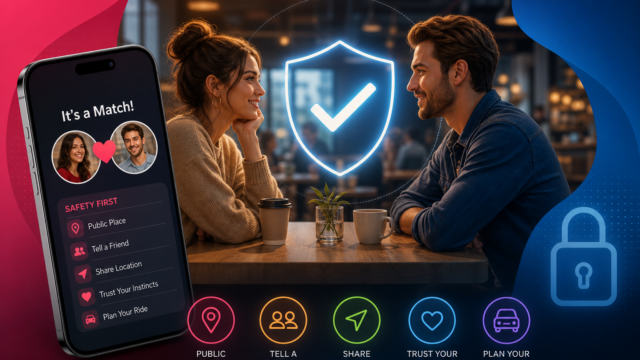
Being safe doesn’t mean giving up on online dating. It just means setting up some smart habits.
Keep all conversations on the app until you’re sure who you’re talking to. Scammers often try to move things to email, WhatsApp, or text, where tracking them gets harder.
Reverse image search is your friend. Download the profile photo and use a search engine to see if it shows up under different names. If you find that same photo on other profiles, especially in different countries, that’s a big red flag.
Never send money, bank details, passwords, or sensitive photos to anyone you’ve only met online. No matter how convincing the story sounds, if there’s talk of investing—especially in crypto or forex—pause and check the facts. Authorities like the NFA (for forex) and FinCEN (for virtual currency) let you verify if someone or a company is actually registered.
Resumo rápido: Stick to in-app chats as long as you can, check profile photos with reverse image search, and don’t send money unless you’ve met in person. If investments come up, always confirm licenses and documents through official government channels.
I’ve personally flagged fake profiles by using image searches. Once, a “too perfect” photo turned out to belong to a European model and had been copied onto dozens of dating accounts. That quick search saved me from a scam and let me warn a few friends, too.
What to Do if You Suspect a Romance Scam
If you think you’re being targeted or have already lost money, reach out for help. Support exists for victims, without judgment or extra hassle.
A good starting point is the AARP Fraud Watch Network Helpline at 877-908-3360. They offer advice, let you report scam attempts, and have trained staff to handle everything from mild concerns to bigger financial losses.
Don’t wait until money disappears to get help. If you have doubts or just want to talk through something that feels off, make the call. The main thing is not to isolate yourself and not to give scammers more chances.
Taking action also helps others. Reporting scams keeps the community safer, and sometimes you might even get some of your money back.
Remember, getting fooled by a professional scammer isn’t your fault. The blame is on them—not on anyone searching for real connection.
Have You Dealt With a Romance Scam?
Have you run into something odd on a dating app? Did someone ask you for money, pitch a too-good-to-be-true investment, or try to move things along way too fast? How did you respond?
Looking back on these moments—or just talking them over with someone you trust—can make things safer and less lonely. Sharing your story, even without names, helps others dodge scams and gives comfort to people afraid to speak up.
If you’re ever unsure about a new connection online, get a second opinion. Protecting your emotional and financial well-being is worth more than a little embarrassment.
This article is for informational purposes only and does not replace professional legal or financial advice. If you need it, always seek guidance from a qualified expert.