There’s a unique kind of anxiety that only kicks in after you’ve sent a message and the reply just… doesn’t come. You fire off a text, reread it, hit send, and suddenly the waiting game begins.
Minutes turn into hours while your brain cycles through every possibility: “Are they just caught up with something?”, “Did I say the wrong thing?”, “Am I being ignored completely?” It’s a familiar tug-of-war — part of you wants to send a follow-up, while another part holds back, afraid you’ll look too eager.
I’ve lost count of how many times I’ve been stuck in that limbo, debating whether to send another text or just let it go.
The truth is, Double Texting: When It Is Okay and When You Should Stop isn’t really about rules etched in stone. It’s all about timing, intention, and what you actually say.
After enough awkward silences and a couple of cringeworthy follow-ups, I realized what matters most is why you’re sending that second message and how you word it. Sometimes, doubling up isn’t just okay — it’s the only way plans happen.
Sending a Second Message Isn’t Always Desperate
A lot of people assume that sending another message without a reply looks desperate, but honestly, one follow-up can come off as thoughtful if you keep it casual. Context and tone make all the difference.
Take this example: you invite someone to dinner on Saturday and don’t hear back for a day. If you send, “Hey, just wanted to check if Saturday still works for you,” it usually reads as considerate.
Most people know messages get lost or get buried under the day’s chaos. A gentle nudge is more likely to be appreciated than to feel like pressure.
The real difference between seeming confident or needy comes down to frequency. When you send one direct follow-up after waiting a reasonable amount of time, that’s initiative. Only when the follow-ups start piling up or feel overly urgent does it start to feel pushy.
In my experience, sticking to just one second message almost always kept things comfortable. But if I kept texting after that, things would get awkward fast, or I’d get no response at all.
For Everyday Chats, 24–48 Hours Is a Safe Bet
With friends, coworkers, or family, timing is everything. The safest approach I’ve found: wait 24 to 48 hours before sending a follow-up. This gives the other person some space and keeps things from feeling too intense.
Imagine you text a friend, “Want to get lunch this week?” and get no reply. If you wait a day or two and then send “Lunch still on the table?” it usually lands as relaxed, not demanding. People are juggling work, family, and dozens of notifications — sometimes texts just slip by.
Whenever I’ve followed up too soon, the response felt a bit stiff or even delayed further. But when I waited, the reply came back with the usual energy. Not everyone is glued to their phone, and that’s normal.
The 24–48 hour guideline isn’t set in stone, but it’s a good way to avoid misunderstandings. It lets the conversation breathe without anyone feeling pressured.
Dica importante: Give it at least a day before following up in casual chats. Unless it’s urgent, waiting shows patience and avoids unnecessary awkwardness.
Four Hours Makes Sense for Early Dating
When it comes to flirting or chatting on dating apps, things move faster. You don’t want to look desperate, but you also don’t want to let the conversation fizzle. According to Hinge data, waiting about four hours before following up works well.
That window matters because early-stage conversations tend to have momentum. If you sent a funny question or flirty comment and didn’t get a reply, waiting about four hours signals interest without coming off as impatient.
For example, if you were chatting in the morning, sending a message in the afternoon — maybe a quick joke or callback — can revive the spark.
I’ve noticed that if I let too much time pass, the chat often fades away. Four hours is usually enough to keep things moving without being overbearing. Wait longer, and the other person might have moved on to other conversations.
Leaving it until the next day can cool down a new connection, so finding that balance early is key.
Urgency and Logistics Sometimes Matter More Than Etiquette
There are times when etiquette just isn’t the priority — getting the message across is. When you’re sorting out plans or dealing with something time-sensitive, waiting for hours doesn’t make sense.
If you’re coordinating a ride to an event that’s starting soon, you can’t sit around for a reply. In those cases, a quick follow-up like “Heading out in 30 minutes, should I still pick you up?” is not only fine, it’s necessary. The same goes for last-minute updates or changes in plans with tight deadlines.
I’ve had to confirm work meetings with a second message more than once, and in those moments, I never worried about coming off as annoying. People usually appreciate the clarity, as long as there’s a real reason for the extra message.
What matters most is purpose. If your follow-up solves a real problem or clarifies plans, send it — no matter how much time has passed since the last reply.
What to Say in Your Second Message
The content of your follow-up is just as important as the timing. A common mistake is calling out the silence (“Did you see my message?”), which rarely helps. Instead, add something new — maybe an update, a fresh invite, or a comment that moves things along.
If you’re waiting to hear about a movie, don’t go with “Did you get my text?” Try “There’s a 7pm showing — still up for it?” That way, you’re keeping the conversation focused on the plan, not the delay. If it’s been a while, giving a brief update or new detail helps the chat restart without making the silence the center of attention.
I’ve restarted plenty of conversations by sending a message like, “Tried that coffee place you told me about — you were right, it’s great!” The response usually comes quickly and feels natural, not forced.
Resumo rápido: When following up, share new info, update your invite, or toss in a fresh comment. Avoid messages that only highlight the lack of response.
How to Double Text Without Sounding Needy
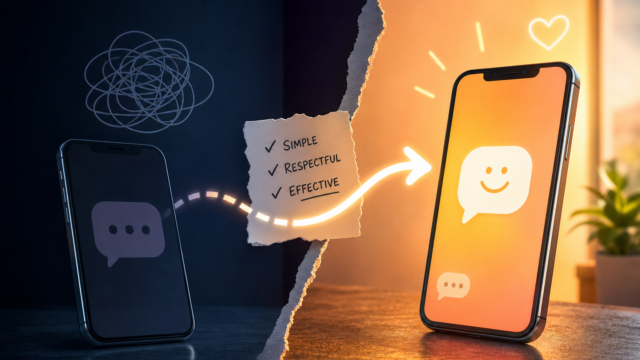
There’s a line between being proactive and being pushy. The best strategy is to send just one follow-up, preferably with a specific or light message.
If you don’t get a reply after that, stop there. More messages rarely help and usually push the other person away.
This kind of self-restraint shows respect for their time and space. I’ve definitely been tempted to send three or four texts in a row when anxious for a reply — it never worked. Usually, silence followed, and it felt like I’d crossed a boundary.
If you don’t hear back after your follow-up, do something else and give it time. If they’re interested, they’ll reach out when they can.
If not, you keep your peace of mind. One well-timed follow-up is a sign of confidence; pushing beyond that crosses the line into pressure.
Dica importante: Limit yourself to a single follow-up. If there’s still no response, move on. It’s better to leave things easy than to force a reply and create tension.
Is Double Texting Worth It?
At the end of the day, double texting is about reading the situation and finding your own balance. Sometimes, a second message is just what’s needed to get a stalled conversation rolling again or to confirm plans. Other times, silence says all it needs to — and respecting that is the right move.
Where do you draw the line when you’re waiting for a reply? Do you stick to a personal rule, or does it depend on the situation?
Finding your own comfort zone and paying attention to what works for you is part of figuring it out. In most cases, one extra message with the right intent is enough.
This article is for informational purposes only and does not replace individual advice from communication or relationship professionals. What about you — what’s the most memorable double text you’ve ever sent or received?