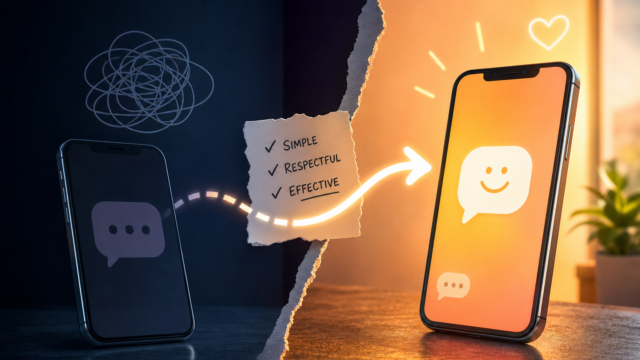
You check your phone for the third time in ten minutes, eyes flicking back to the message you sent. Maybe you reread your words, second-guess how you sounded, or wonder if you came on too strong.
The hours crawl by, and suddenly it’s been a whole day without a response. Your mind jumps to every possible explanation—most of them not especially reassuring.
If waiting for a reply has ever tied your stomach in knots, you’re definitely not alone. That silence can feel heavier than it is, but usually, the real reason for the wait is much more ordinary than it seems.
Delayed Replies Are More Common Than We Think
When someone takes a while to answer, it’s easy to assume they’re uninterested. But late replies happen constantly in every kind of relationship—friends, partners, coworkers, you name it.
Most people are juggling work, family, nonstop notifications, and the general chaos of daily life. Sometimes your message just gets buried.
There’s rarely a secret meaning behind every hour that ticks by. Even people who care about you might not have their phone on hand 24/7.
That’s true whether you’re making plans, working things out, or texting someone you just started seeing.
A slow reply usually isn’t a brush-off. Life’s messiness shows up in how we text, too. If every late answer spelled trouble, hardly any relationship would survive a busy month.
Mental Load and Message Complexity Can Slow People Down
Answering a text isn’t always as simple as it looks. Even short messages can take energy, especially if the conversation is complicated or emotional. After a long day or a tough talk, opening a new message might feel like one task too many.
Some messages ask for advice, share big news, or touch on sensitive issues. Those often sit unanswered because the other person wants to respond well, but just doesn’t have the energy at that moment. I’ve let a “can we talk?” from a friend sit unread for hours—not because I didn’t care, but because I wanted to think about my reply instead of rushing it.
Important tip: When someone takes longer to answer after you’ve shared something personal, it’s often because they want to reply thoughtfully, not because they’re dodging you.
Stress, exhaustion, or a head full of other worries can slow anyone down. Before you assume the worst, it’s worth considering what might be going on in their world.
Context Shapes the Meaning of a Slow Reply
Not every late message means the same thing. Context makes a huge difference.
It’s one thing if your boss takes two days to answer an email, and another if a friend suddenly stops texting after you chatted every day. The meaning of the delay depends on your relationship and what’s happening around you.
Think about your connection with this person. Are you coworkers, close friends, or somewhere else on the spectrum?
Each relationship has its own rhythm. At work, slow replies usually mean someone’s busy or priorities shifted.
Between friends, the pace can speed up or slow down depending on what’s going on in life.
Dating brings its own quirks, but even then, people have different texting habits. The important thing isn’t some universal rule, but what’s normal for your dynamic with this person.
Patterns Matter More Than a Single Delay
It’s easy to get hung up on one unanswered message, but what really matters is how someone communicates with you overall. A late reply here or there isn’t a big deal. It’s the bigger pattern that tells you something.
If late replies are rare, it’s probably just a busy day. But if someone who used to answer quickly now takes longer all the time—especially after a disagreement or change—that shift is worth noticing. It’s not about a single instance, but about how things add up over time.
I used to stress every time my partner didn’t answer right away, until I realized that slower replies were just their usual texting style. Once I saw the pattern, it got easier to relax.
Quick summary: Watch how response times play out over a week or two before jumping to conclusions. One slow reply usually means nothing; a change in pattern matters more.
What’s Typical for Them Is the Real Benchmark
People often worry about what counts as “too long” to wait for a reply. There’s no universal rule. The real answer is whatever’s normal for that person.
Some people respond in minutes, others might take a day or two, and that’s just how they operate. Comparing their pace to yours—or to what you think is standard—just adds unnecessary stress. If someone’s sticking to their normal rhythm, there’s usually nothing to worry about, even if it’s slower than you’d like.
The real signal is a sudden change. If someone who always answered fast now takes days with no explanation, that’s worth your attention. If their pace stays the same, it’s just their way.
What Helps While You’re Waiting
The hardest part about waiting for a reply is what goes on in your head. Overthinking, inventing worst-case scenarios, or feeling rejected can happen quickly. Instead of spiraling, there are better ways to pass the time.
Remind yourself that one slow reply doesn’t mean much. Try distracting yourself—a walk, a favorite show, or texting someone else can help.
If you’re tempted to send a second message, hold back. Unless it’s urgent, waiting a full day before following up is a good rule and keeps things low-pressure for everyone.
It can help to reframe what’s happening. Maybe they’re busy, tired, or just haven’t gotten around to your message.
That’s about their day, not your value. If slow replies become a pattern and it bothers you, it’s okay to gently bring it up—but only after you’ve noticed a real shift.
Important tip: Keep your own routines and hobbies front and center while you wait. Staying busy with your life makes it easier to handle whatever comes next.
Noticing a Shift? Here’s What to Do
It’s unsettling when someone’s communication style changes. Maybe a friend who always replied quickly now takes days, or a coworker seems distant after a tense meeting. Noticing the shift is more useful than counting the hours.
Think about when the change started. Was there a conflict, a big event, or a stressful period?
Are there other signals that they’re pulling away? Give it a few days—sometimes people just need time, or life gets overwhelming.
If the new pattern sticks and leaves you uneasy, it’s okay to reach out. A simple “Hey, I’ve noticed we haven’t talked as much—everything okay?” is open and non-confrontational. Most people appreciate a gentle check-in, especially if you’re genuinely concerned.
Remember, the change might not be about you. Everyone goes through busy or rough patches. If you check in and they still don’t want to talk, it might be time to focus on your own well-being for a bit.
How Do You Handle Slow Replies?
Everyone deals with delayed messages differently—some shrug it off, others can’t stop thinking about it. When you’re waiting, do you assume the worst, or can you take a step back and see the bigger picture?
Understanding your own habits makes it easier next time you’re left hanging. How do you want to handle it the next time someone takes their time to reply?
This article is for informational purposes only and does not replace professional advice for mental or emotional health.